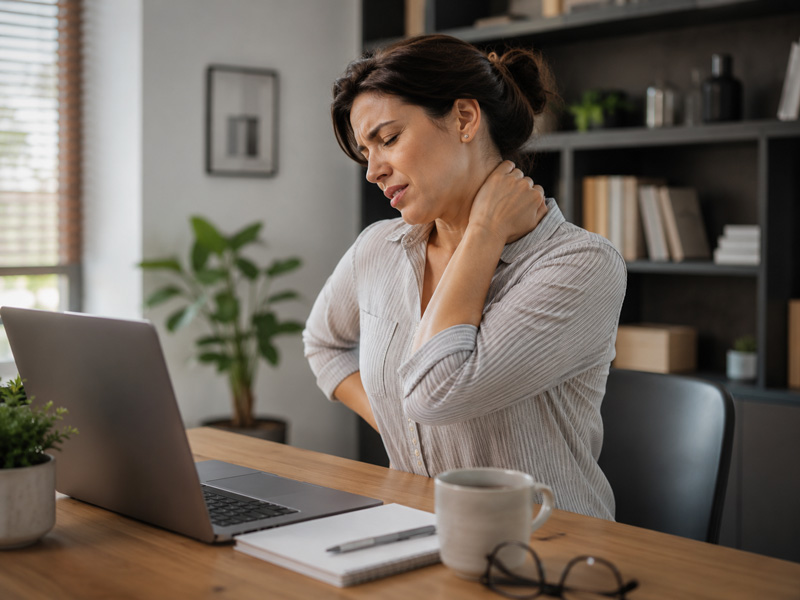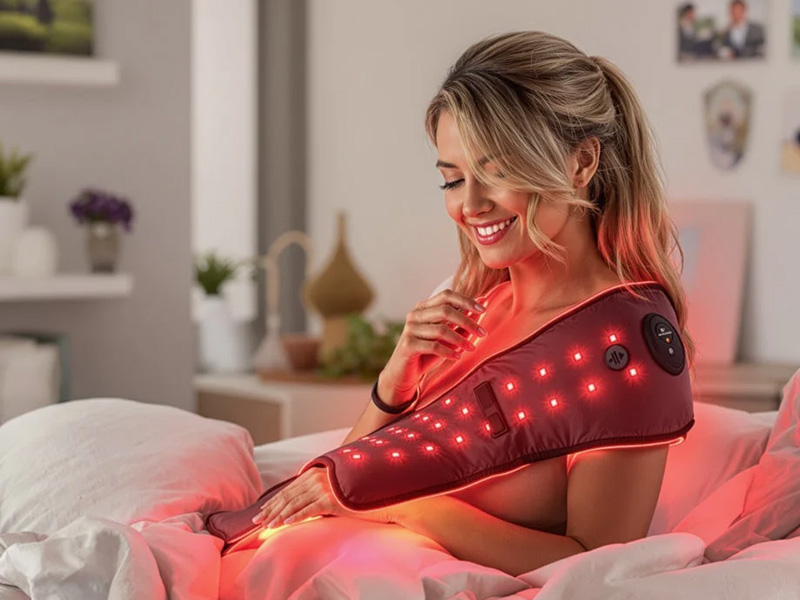

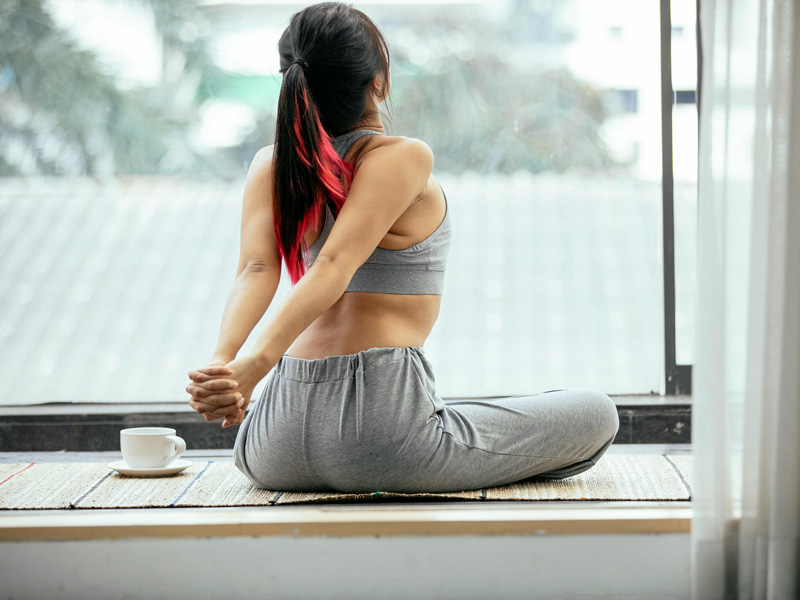
Many people notice a subtle change after 30: the body does not always feel as loose, flexible, or quick to recover as it once did. Morning stiffness may feel more noticeable, long sitting sessions may become harder to ignore, and everyday movement can start to feel less natural.
This does not mean something is automatically wrong. For many adults, stiffness is often connected to a combination of lifestyle habits, posture patterns, lower daily movement, repetitive routines, stress, and the natural changes that come with age.
The good news is that many people are becoming more proactive. Instead of waiting until discomfort becomes a bigger issue, they are exploring simple wellness habits, mobility routines, and support tools that may help the body feel more comfortable throughout the day.
Why Stiffness Can Feel More Noticeable After 30
After 30, many adults spend more time sitting, working, driving, using screens, and repeating the same movement patterns. Over time, these habits may influence posture, flexibility, lower back comfort, shoulder tension, hip mobility, and overall body awareness.
When the body moves less, certain areas may begin to feel tighter. The hips, lower back, neck, shoulders, and legs are common places where people notice daily stiffness, especially after long periods of inactivity.
The Role Of Posture And Sitting Habits
Posture plays a major role in how the body feels during everyday life. Sitting with rounded shoulders, a collapsed lower back, or poor screen positioning may place extra stress on the spine and surrounding muscles.
These small habits may not feel dramatic in the moment, but repeated every day they can contribute to tension, fatigue, and a feeling of reduced mobility. This is why posture-focused wellness tools and lumbar support products are gaining more attention.
Everyday stiffness can have many causes. Wellness tools may support comfort routines, but they should not replace professional medical advice. If stiffness is severe, persistent, painful, or unusual, speak with a qualified healthcare professional.
Why Daily Movement Matters
One of the simplest ways to support mobility is to break up long periods of sitting. Short walks, gentle stretching, standing breaks, posture resets, and light movement can all help create a more active daily rhythm.
Many people do not need complicated routines. Small consistent habits often matter more than intense routines that are difficult to maintain. Even a few minutes of movement throughout the day may help the body feel less locked into one position.
This is also why the wellness industry is seeing more interest in posture support devices, lumbar support systems, recovery tools, and simple at-home products designed for daily comfort.
A Wellness Product That Caught Our Attention
While researching posture-focused wellness products, the SanovitaCare Product Research Team identified the Neurontinec Lumbar Posture Support Device as one of the more interesting tools designed to support sitting comfort, posture awareness, lower back alignment, and daily mobility routines.
View Product Review →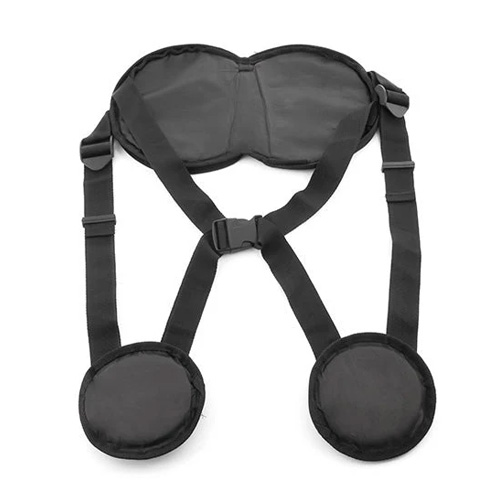
Neurontinec Lumbar Posture Support Device
What To Look For In Support Products
Before choosing any posture or lumbar support product, look at comfort, adjustability, material quality, intended use, customer feedback, and whether the device fits naturally into your daily routine.
The best wellness products are usually the ones people can use consistently. A tool that supports better sitting habits, posture awareness, or lower back comfort may be more useful when it is simple, practical, and easy to use during normal daily activities.
Final Thoughts
Feeling stiffer after 30 is common, especially in a world where many adults sit more, move less, and spend long hours using screens. But small daily changes can make a meaningful difference in how the body feels over time.
Better movement habits, posture awareness, recovery routines, and smart wellness tools may all play a role in supporting everyday comfort. As this trend grows, SanovitaCare will continue researching products and routines designed to help people make smarter wellness decisions.